Pink Roses: A Sweet and Friendly Handwritten Display Font
As a web designer, I’m always on the lookout for fonts that can add a unique and personal touch to my projects. Recently, I had the pleasure of testing Pink Roses, a sweet and friendly handwritten display font, in a real website layout. This font has a charming, playful personality that makes it perfect for adding a touch of whimsy to any digital design.
Visual Characteristics and Personality
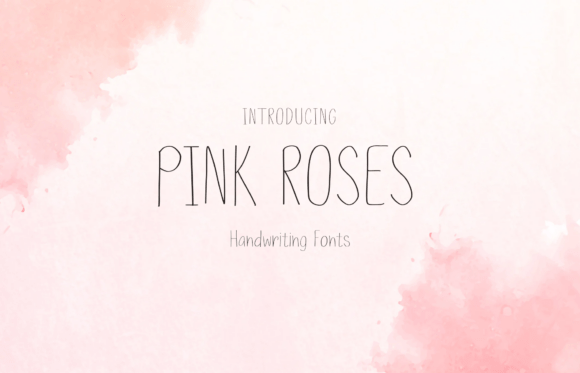
Pink Roses is a delightful, hand-drawn font with a casual, approachable feel. Its flowing, cursive style gives it a warm, inviting presence, making it ideal for designs that need a personal, human touch. The font’s slightly irregular strokes and natural curves create a sense of spontaneity and creativity, which can be a great asset for brands looking to stand out with a unique, handmade aesthetic.
Testing Pink Roses in Real Web Layouts
I decided to test Pink Roses in a variety of web design elements to see how it performed. First, I used it in the hero section of a boutique online store. The font’s playful, handwritten style immediately caught the eye and added a welcoming, personal touch to the homepage. It was particularly effective when paired with a clean, minimal background, allowing the text to take center stage.
Next, I previewed Pink Roses on a mobile device to check its readability. The font scaled well, maintaining its charm and legibility even on smaller screens. However, I did notice that using it for longer text or in more condensed spaces could be challenging, so I recommend reserving it for short, impactful phrases like headlines and call-to-action buttons.
Using Pink Roses in Different Web Design Elements
Pink Roses can be a versatile addition to your design toolkit, especially for specific web design elements. Here are some practical uses:
- Website Headers and Hero Sections: Use Pink Roses for bold, eye-catching headlines that set the tone for the rest of the page. Its handwritten style adds a personal, engaging touch that can help draw visitors in.
- Landing Pages and Call-to-Action Areas: Incorporate Pink Roses for short, impactful phrases that encourage action. Its playful, friendly nature can make calls to action feel less sales-driven and more inviting.
- Online Shop Banners and Product Descriptions: Add a touch of personality to your product listings with Pink Roses. It can be particularly effective for boutique stores, craft shops, and other businesses that benefit from a handmade, artisanal feel.
- Blog Graphics and Social Media Posts: Use Pink Roses to create visually appealing graphics for blog posts and social media. Its unique style can help your content stand out and grab attention in a crowded feed.
Readability and Responsive Design
While Pink Roses is a beautiful and expressive font, it’s important to consider its readability in different contexts. For mobile screens and responsive layouts, the font performs well for short, prominent text. However, for longer body copy, small buttons, or areas where quick scanning is essential, it may not be the best choice. In these cases, I recommend pairing Pink Roses with a clean, simple sans serif font for better readability and a balanced look.
For example, in a coaching website, I used Pink Roses for the main headline and section titles, while a clean sans serif font handled the body text and navigation. This combination allowed the handwritten font to shine without compromising the overall readability of the site.
Font Pairing and Brand Consistency
When using Pink Roses in your web designs, consider how it will complement your existing brand identity. A good font pairing can enhance the overall visual appeal and maintain a consistent, professional look. Here are some effective pairings:
- With a Sans Serif Font: Pair Pink Roses with a clean, modern sans serif like Helvetica or Roboto. This combination provides a nice contrast, with the handwritten font adding a personal touch and the sans serif ensuring clarity and readability.
- With a Serif Font: For a more classic, editorial feel, pair Pink Roses with a simple serif font like Georgia or Times New Roman. This can be particularly effective for blogs, portfolios, and other content-heavy sites.
- With a Script Font: If you want to emphasize the handwritten, artistic quality, consider pairing Pink Roses with another script font. Just be mindful of overusing decorative elements, as this can sometimes lead to a cluttered, unprofessional appearance.
Final Considerations and Best Practices
Before incorporating Pink Roses into your web design projects, here are a few final considerations:
- Check Included Styles and Alternates: Explore the different styles and alternates available in the font to find the perfect match for your design. This can include swashes, ligatures, and additional weights.
- Webfont Availability: Ensure that the font is available in webfont formats (e.g., WOFF, WOFF2) for easy integration into your website. This will help ensure fast loading times and smooth performance across devices.
- Multilingual Support: If your project involves multiple languages, check that Pink Roses supports the necessary character sets. This is especially important for international websites and multilingual content.
- Commercial Licensing: Always verify the licensing terms before using Pink Roses on client projects, commercial websites, or digital products. This will help you avoid any legal issues and ensure that you’re using the font within the permitted scope.
In conclusion, Pink Roses is a wonderful, charming font that can add a personal, creative touch to your web designs. By using it thoughtfully and considering its strengths and limitations, you can create engaging, visually appealing experiences that resonate with your audience. Whether you’re designing a boutique online store, a coaching website, or a creative portfolio, Pink Roses can be a valuable addition to your design toolkit.